
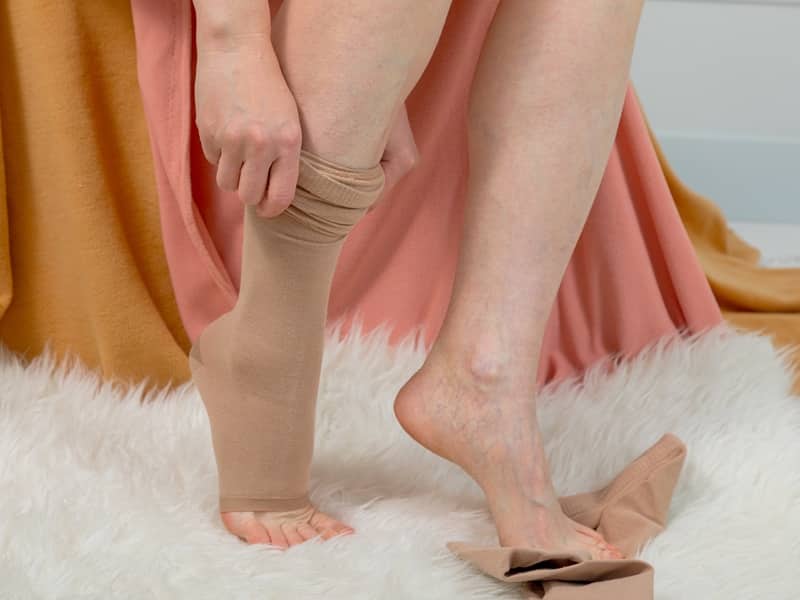
Compression garments are more than just medical accessories; they’re an essential part of managing conditions like lymphedema and venous disease. But even the highest-quality garment loses its effectiveness without proper care. Understanding how to wash, dry, and store your compression garments ensures they continue delivering the therapeutic benefits you depend on.
At Compression Care, we want your garments to work as hard as you do. That’s why we’ve put together this complete guide to compression garment maintenance — so you can protect your investment and your health.
Quick Takeaways: What You Need to Know
- Daily washing removes oils and buildup that degrade elastic fibers over time
- Heat is the single biggest threat to compression garment effectiveness — always air dry
- Most garments need replacing every 3–6 months, even with proper care
- Many insurance plans cover multiple garment replacements per year
Why Proper Care Directly Affects Your Health
Compression garments work by delivering consistent, graduated pressure to affected areas. This controlled compression supports circulation, reduces fluid buildup, and helps manage chronic conditions effectively. But that pressure depends entirely on the integrity of the garment’s elastic fibers.
Kim Sacia, Regional Manager of Mayo Clinic Stores, puts it plainly: elastic fibers break down through extended wear and washing — and once that happens, the garment can no longer deliver the compression strength your condition requires. The Mayo Clinic Store’s compression garment care guidelines recommend regular reassessment and timely replacement to ensure therapy remains effective.
Sweat, body oils, and improper washing accelerate that breakdown. A garment that looks intact may no longer be performing medically. Since many patients receive new garments at year-end before insurance benefits reset, proper maintenance ensures you’re never left relying on something that can no longer do its job. Explore Compression Care’s full range of custom compression garments to find the right fit for your needs.
Daily Care: How to Wash Your Compression Garments
Keeping your garments clean is the single most important step in preserving their function. Oils, sweat, and environmental residue accumulate with every wear and accelerate fiber breakdown if not removed promptly.
Before establishing your care routine, always check your manufacturer’s instructions first. Different garments are made with different materials and construction standards, and some manufacturers have specific washing recommendations that vary from general guidelines. When in doubt, the manufacturer’s guidance takes priority.
According to medi USA’s clinical garment care guidance, daily washing doesn’t just keep garments hygienic, it actually helps elastic fibers restore and retain their properties between wears. Skipping washes works against the garment’s performance, not just its cleanliness.
Best practices for washing:
- Wash after every wear. Hand washing is preferred, but a gentle machine cycle using a mesh laundry bag is also effective.
- Choose the right detergent. Use a mild, fragrance-free detergent formulated for delicate fabrics.
- Avoid harsh products. Bleach, fabric softeners, and strong chemicals all weaken elastic fibers and shorten garment lifespan.
- Rinse completely. Detergent residue left in the fabric continues breaking down fibers between wears. Rinse thoroughly until the water runs clear.
Drying and Storage: Protecting Compression Levels Long-Term
Washing correctly is only half the equation. How you dry and store your garments has an equally significant impact on how long they maintain their medical-grade compression.
Drying guidelines:
- Never use a dryer. Heat is the fastest way to damage elastic fibers and reduce compression effectiveness permanently.
- Air dry flat. Lay garments on a clean, dry towel rather than hanging them — hanging can distort the garment’s shape and stretch the fabric unevenly.
- Press, don’t wring. Gently press water out using a towel before laying flat. Wringing places unnecessary stress on the fibers.
Storage tips:
- Store garments in a cool, dry location away from direct sunlight.
- Avoid areas with high humidity, which can compromise fabric structure over time.
When to Replace Your Compression Garments
Even with excellent care, compression garments have a natural lifespan. Knowing when to replace them is just as important as knowing how to maintain them.
Signs it’s time for a replacement:
- Reduced support. If your garment feels looser or less supportive than when it was new, compression levels have likely dropped below therapeutic range.
- Visible fabric wear. Thinning material, overstretched bands, or a garment that shifts during wear all indicate it’s past its effective life.
- Returning symptoms. Increased swelling or discomfort during wear often signals that the garment is no longer providing adequate compression.
With regular daily use and proper maintenance, most compression garments have a life expectancy of up to 6 months. Beyond that point, even well-maintained garments may no longer deliver the compression level your condition requires. Many insurance plans cover multiple sets per year, check your coverage and plan ahead so there’s no gap in your therapy. Learn more about insurance support for compression garments at Compression Care to understand your options and simplify the process.
Frequently Asked Questions
How often should compression stockings be replaced? Every 3–6 months with regular use. The exact timeline depends on wear frequency and maintenance. Many insurance plans cover more than one replacement per year — it’s worth reviewing your benefits so you can plan accordingly.
Can I wear compression garments longer than recommended? This is not advised. As garments age, elastic fibers weaken and compression levels decline even when the garment still appears intact. Continuing to wear an ineffective garment means your condition is no longer being properly managed, which can allow symptoms to return or worsen.
How do I know if my compression level is still correct? Watch for swelling returning during or after wear, a loose or shifting fit, or noticeably less relief than when the garment was new. If you experience any of these signs, contact your provider for a reassessment and potential replacement.
Compression Care: Here to Support Your Health
At Compression Care, we specialize in high-quality, custom-fitted compression garments designed for long-term durability and comfort. Our team understands that every patient’s needs are different which is why we offer professional fitting services, a wide range of garment options, and full insurance support to make the process as straightforward as possible.
Whether you need guidance on selecting the right garment, managing your replacement cycle, or navigating your insurance coverage, we’re here to help every step of the way.
Call us today at (615) 583-2273 or visit CompressionCare.com to learn more about our custom compression solutions and how we can support your health and well-being.
Compression Care is located in Nashville, Tennessee, and serves patients across the Continental U.S.